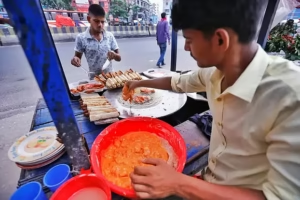
 Foods being prepared on a roadside mobile shop without following any health guidelines amid the coronavirus outbreak. Shanir Akhra, DhakaDipu MalakarFoods being prepared on a roadside mobile shop without following any health guidelines amid the coronavirus outbreak. Shanir Akhra, DhakaDipu Malakar
The streets of Dhaka are alive with colour, sound, and tantalizing aromas, drawing in locals and tourists alike to the city’s famous street food scene. From sizzling fuchkas to steaming bowls of biryani, these culinary delights are essential to Dhaka’s cultural heritage. However, beneath their enticing facade lies a grim reality: a significant portion of street food is not only unsafe but poses severe health risks to consumers. Coupled with alarming concerns over contaminated drinking water, the intersection of food safety and environmental health is emerging as one of the most pressing public health issues in the capital.
Many studies examine the relationship between food safety and environmental health in a rapidly urbanising setting. The most populous city and urban center in Bangladesh, Dhaka, is described as being engulfed by a food revolution brought about by urbanisation. Over 2 million street vendors operate in unregulated environments and millions more remain dependent on traditional markets and homes for their food. Food safety and nutritional quality are often compromised by poor waste management, widespread pollution of air, soil, and water, and insufficient public health infrastructure.